
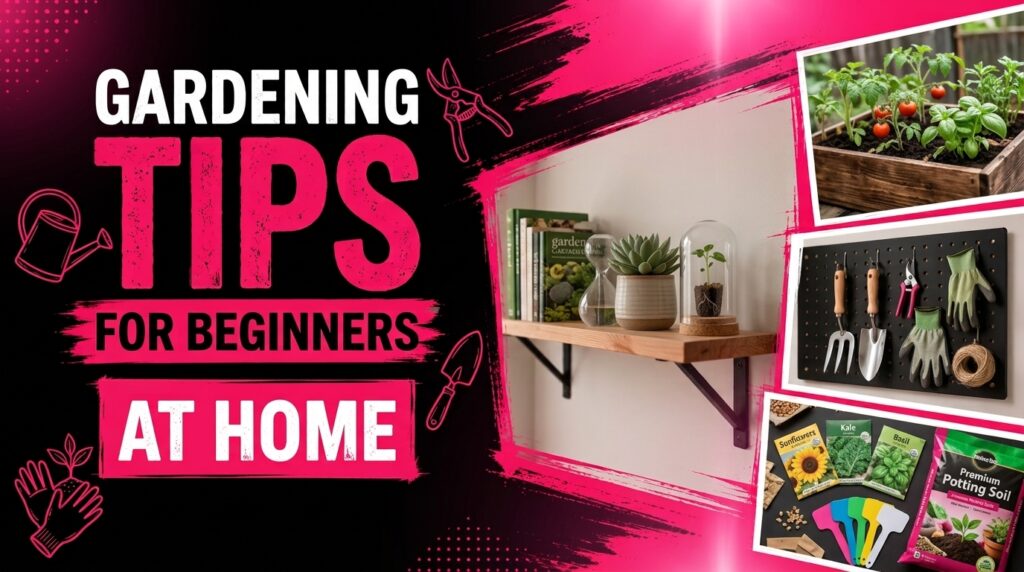

Have you ever stared at a packet of seeds or a sad-looking plant from the store and wondered if you have a black thumb? You are not alone. Many suburban and urban homeowners dream of growing their own fresh herbs, veggies, or beautiful flowers but feel intimidated by the process. The good news? Gardening at home does not require a green thumb or acres of land. With the right gardening tips for beginners at home, anyone can start small, learn from mistakes, and enjoy the rewards of a thriving garden.
This guide shares seven straightforward tips to help you begin confidently. Whether you have a backyard, balcony, or just a sunny windowsill, these practical steps focus on container gardening, easy plants, and simple habits that set you up for success. Let’s turn that patch of potential into your first productive garden.
Tip 1: Assess Your Space and Sunlight Before You Plant Anything
Starting a garden from scratch begins with understanding your environment. Walk around your yard, balcony, or patio at different times of day. Most vegetables and herbs need at least six hours of direct sunlight. Observe where the sun hits longest. A south-facing spot often works best in many regions.
For renters or those with limited space, container gardening shines here. Pots let you move plants to chase the sun or bring them inside during bad weather. Choose locations near a water source so watering stays easy. Proximity prevents neglect. Many beginners overlook this and end up with leggy, unhappy plants.
Hardiness zones (also called planting zones) matter too. Check your USDA hardiness zone online to pick plants suited to your climate. This simple step avoids heartbreak from surprise frosts. Start small: one or two containers if you feel overwhelmed. Success with a few plants builds confidence faster than a failed big project.
Tip 2: Choose the Right Containers and Ensure Proper Drainage
Containers make gardening tips for beginners at home accessible for everyone. Select pots with drainage holes at the bottom. Without them, roots sit in water and rot quickly. If your favorite pot lacks holes, drill some or add a layer of gravel at the bottom.
Sizes vary by plant. Lettuce and herbs thrive in smaller 6- to 10-inch pots. Tomatoes or peppers need larger 5-gallon or bigger containers for root room. Use food-grade plastic, terracotta, or fabric grow bags. Fabric pots promote air pruning for healthier roots and dry out faster, reducing overwatering risks.
Place saucers underneath to catch excess water, especially on balconies. Elevate pots slightly with feet or bricks for better airflow. This setup supports low maintenance outdoor plants and prevents mess. Remember my early days: I lost seedlings to poor drainage more than once. Lesson learned: always check those holes.
Tip 3: Use Quality Potting Soil and Amend It Properly
Garden soil from your yard often compacts in containers and harbors pests. Invest in a good potting soil mix designed for containers. It provides aeration, retains moisture, and drains well. Look for mixes with perlite or vermiculite.
Mix in compost for nutrients. A 50/50 blend of potting mix and compost works wonders for beginners. This improves fertility without guesswork. For natural fertilizer, save kitchen scraps like vegetable peels, coffee grounds, and eggshells. Compost them or make a simple tea by steeping in water for a few days (dilute before use).
Avoid over-fertilizing at first. Healthy soil reduces the need for extras. Top-dress with compost mid-season for a gentle boost. This approach keeps things organic and budget-friendly while building soil health over time.
Tip 4: Pick Easy Vegetables and Herbs for Quick Wins
Focus on easy vegetables to grow for beginners. Start with radishes (ready in weeks), lettuce, kale, bush beans, and cherry tomatoes. These forgive mistakes and produce fast.
Kitchen herbs like basil, mint, parsley, and chives are perfect starters. They grow well in small spaces and flavor your meals instantly. Basil pairs beautifully with tomatoes. Many herbs deter pests naturally.
For best low maintenance outdoor plants, consider perennials like hostas or daylilies alongside edibles. They return yearly with little effort. Buy starter plants from a nursery rather than seeds for faster results your first season. Seeds work great later once you gain confidence. Check seed packets for timing and zone info.
Tip 5: Master Companion Planting for Healthier Gardens
Companion planting pairs plants that help each other. It reduces pests, improves growth, and maximizes small spaces. Plant basil near tomatoes to repel flies and enhance flavor. Marigolds deter many insects around veggies.
In containers, group herbs like thyme, oregano, and rosemary together. They share similar needs and look attractive. Avoid pairing mint with others. It spreads aggressively. Chives work well with carrots or tomatoes.
This technique creates a mini ecosystem. It fits perfectly into how to start a garden from scratch at home. Observe what thrives in your area. Local extension offices or community gardeners offer great region-specific advice.
Tip 6: Establish a Simple Watering Schedule and Mulch
Watering confuses many new gardeners. Aim for deep, infrequent watering rather than daily sprinkles. Most plants prefer about one inch of water weekly, adjusted for heat and rain. Check soil moisture by sticking your finger an inch deep. If dry, water thoroughly until it drains out the bottom.
Morning watering is ideal. It lets leaves dry during the day, reducing disease. A consistent watering schedule prevents stress. Mulch the top of soil with straw, leaves, or bark. This retains moisture, suppresses weeds, and moderates temperature.
Overwatering kills more plants than underwatering for beginners. Err on the dry side at first. Containers dry out faster than in-ground beds, so check them daily in hot weather.
Tip 7: Prevent Pests Naturally and Learn from Setbacks
Preventing pests in backyard gardens starts with healthy plants. Strong specimens resist problems better. Use row covers, hand-picking, or neem oil for issues. Companion planting helps here too.
Attract beneficial insects with flowers like marigolds or alyssum. Encourage birds and ladybugs. For slugs, try beer traps or copper tape. Start small to stay on top of problems before they spread.
Everyone kills plants along the way. I certainly have. A surprise frost took my first tomatoes. Use that as learning. Label plants, keep notes, and adjust next season. Gardening rewards patience and observation.
Building Your Garden Layout and Expanding Gradually
Think about your garden layout early. In containers, group by water and sun needs. Taller plants go north so they do not shade shorter ones. Vertical options like trellises save space for cucumbers or beans.
Start with three to five plant types. Harvest regularly to encourage more production. This keeps things manageable and fun as a family hobby. Involve kids in watering or harvesting for screen-free time and fresh produce.
Common Pitfalls to Avoid as a New Gardener
Rushing in with too many plants leads to burnout. Poor soil and wrong light cause most failures. Ignoring drainage holes or using regular dirt in pots creates soggy roots. Over-fertilizing burns plants. Start simple, observe, and scale up.
Conclusion
These 7 simple gardening tips for beginners at home remove the mystery and help you grow with confidence. Focus on location, containers, soil, easy plants, companions, watering, and pest prevention. You will enjoy fresh herbs, veggies, and the satisfaction of self-sufficiency in no time.
Grab a few pots, some good soil, and your favorite easy starters this weekend. Your first harvest, no matter how small, will hook you. Happy gardening. What will you grow first?
Frequently Asked Questions
What are the easiest vegetables for beginners in containers?
Radishes, lettuce, kale, bush beans, and cherry tomatoes top the list. They grow quickly and tolerate small spaces well.
How do I choose the right potting soil?
Pick a lightweight mix with perlite for drainage. Amend with compost for nutrients. Avoid heavy garden soil.
What is companion planting and why use it?
It pairs beneficial plants like basil with tomatoes to deter pests and boost growth. Great for small home gardens.
How often should I water my container garden?
Check soil daily in heat. Water deeply when the top inch feels dry, usually a few times weekly. Mulch helps.
Do I need to know my hardiness zone?
Yes. It guides plant selection for your climate and frost dates. Search online for your zone.
How can I make natural fertilizer at home?
Compost kitchen scraps or make compost tea from weeds and grass clippings. Dilute and apply sparingly.
What if my plants get pests?
Hand-pick when possible. Use neem oil or companion plants. Healthy soil and proper spacing prevent many issues.